
3-0 on the Sheet, but Pakistan's Real Test Is Malaysia
**মূল উত্তর:** ২০২৬ এশিয়ান Gamesের পুরুষ Field Hockeyতে পাকিস্তান পুল বি-তে চীনকে ৩-০ গোলে হারিয়েছে, তিনটি গোলই দ্বিতীয় কোয়ার্টারে; অম্মাদ শাকিল বাট ২০০তম ক্যাপ পূর্ণ করেছেন। পুল বি-র আসল নির্ণায়ক ম্যাচ মালয়েশিয়ার বিরুদ্ধে, কারণ এশিয়ান Gamesের চ্যাম্পিয়ন সরাসরি এলএ ২০২৮ অলিম্পিক কোটা পায়। **মূল তথ্য:** - পাকিস্তান ৩-০ চীন; গোলের কোয়ার্টার-বিন্যাস ০-৩-০-০, অর্থাৎ সব গোল দ্বিতীয় কোয়ার্টারে। - অম্মাদ শাকিল বাট ২০১৩ সালের অভিষেক থেকে ২০০তম ক্যাপ পূর্ণ করেন; তিনি একদা অধিনায়ক ও বর্তমানে অভিজ্ঞ মিডফিল্ডার। - এফআইএইচ মহাদেশীয় কোটা-পথ অনুযায়ী এশিয়ান Games চ্যাম্পিয়ন পুরুষ দল সরাসরি অলিম্পিক কোটা পায় (প্যারিস ২০২৪-এ ব্যবহৃত, এলএ ২০২৮-এ প্রত্যাশিত)। - পাকিস্তান পুরুষ দল প্রায় ১৫তম র্যাঙ্কিংয়ে; মালয়েশিয়া প্রায় ১১–১৩, ভারত এশিয়ার শীর্ষে (র্যাঙ্কিং যাচাইয়ের অপেক্ষায়)। - রিপোর্টে শট, পেনাল্টি কর্নার, সার্কেল এন্ট্রি বা কার্ডের কোনো ডেটা নেই, তাই ৩-০ জয়ের প্রক্রিয়া-বিশ্লেষণ সম্ভব নয়। **সূত্র উদ্ধৃতি:** সূত্র: ২০২৬ এশিয়ান Games পুরুষ হকি পুল বি ম্যাচ রিপোর্ট এবং স্টেজ-২ গভীর পেশাদার বিশ্লেষণ; র্যাঙ্কিং, ভেন্যু ও তারিখ-সংক্রান্ত তথ্য এখনো স্বতন্ত্রভাবে যাচাইয়ের অপেক্ষায়। **সম্পর্কিত প্রশ্নোত্তর:** প্রশ্ন: পাকিস্তান কীভাবে এলএ ২০২৮ অলিম্পিকে যেতে পারে? উত্তর: এশিয়ান Gamesে সোনা জিতলে সরাসরি কোটা; ব্যর্থ হলে এফআইএইচ অলিম্পিক কোয়ালিফায়ারের কঠিন পথ ধরে খেলতে হবে। প্রশ্ন: ৩-০ জয় থেকে পাকিস্তানের আসল শক্তি বোঝা যায় কি? উত্তর: যায় না, কারণ শট, পেনাল্টি কর্নার বা সার্কেল এন্ট্রির কোনো ডেটা নেই এবং প্রতিপক্ষ চীনের মান নিচু স্তরের। প্রশ্ন: এই দলের সবচেয়ে বড় কাঠামোগত ঝুঁকি কী? উত্তর: বয়সী মেরুদণ্ড ও সরু উত্তরাধিকার, সঙ্গে পাকিস্তান হকি ফেডারেশনের দীর্ঘদিনের অস্থিরতা ও ঘরোয়া Leagueের অনুপস্থিতি।
The match sheet is short — just four boxes. Zero in the first quarter, three in the second, zero again in the third and fourth. Pakistan 3, China 0. Goals clustered inside a single quarter leave two readings: either something clicked in the interval, or the opponent simply could not stand up for sixty minutes. The report carries no shot count, no penalty-corner tally, no circle entries, so nobody can separate the two. The same fixture filed one more number: Ammad Shakeel Butt's 200th cap, his debut dating to 2026. A midfielder, a former captain, more than a decade in the national shirt. The score sheet remembers what the stands forget.
Writing about this Pool B result at the 2026 Asian Games takes me back to 2026. On the night shift at a World Cup data desk I logged all 64 matches, roughly three thousand event rows, and every number there had a pulse. That same August nobody assigned me hockey, yet I tracked six of Bangladesh's pool matches in Jakarta on a buffering stream and wrote a thread that out-read anything I was paid for that month. A year earlier, in the press box at Dhaka's Maulana Bhasani Stadium, I had filed fourteen match reports in eleven days for bylines and cold tea and no invoice at all. Those fourteen bylines taught me the obvious thing: the scoreboard is where the writing begins, never where it ends.
To read this fixture properly you have to read the prize first. Under FIH's continental qualification pathway, the men's champion at the Asian Games earns a direct berth at the following Olympics. Paris 2026 used exactly this route, and the same mechanism is expected to carry toward LA 2028. For Pakistan that means something blunt: there is no comfortable world-ranking road back to the Games, so Nagoya is the shortest path they own. And this is the same program that once ruled the sport — Olympic gold in 2026, 2026 and 2026; World Cups in 2026, 2026, 2026 and 2026. That inheritance now carries prestige rather than ranking weight. Pakistan sit around the mid-teens; Malaysia are ahead, roughly 11th to 13th; India lead Asia. Those ranking figures still await verification.
The Asian ladder is plain now. India at the top, a centralised system standing on state and corporate investment. Malaysia next, with a stable pool. Pakistan somewhere behind, its glory in the record books rather than the rankings. Host Japan is investing too. In Pool B, Pakistan are not the summit; they are the team standing behind it, which is why every fixture carries the same question: is this form, or a gift from a soft schedule?
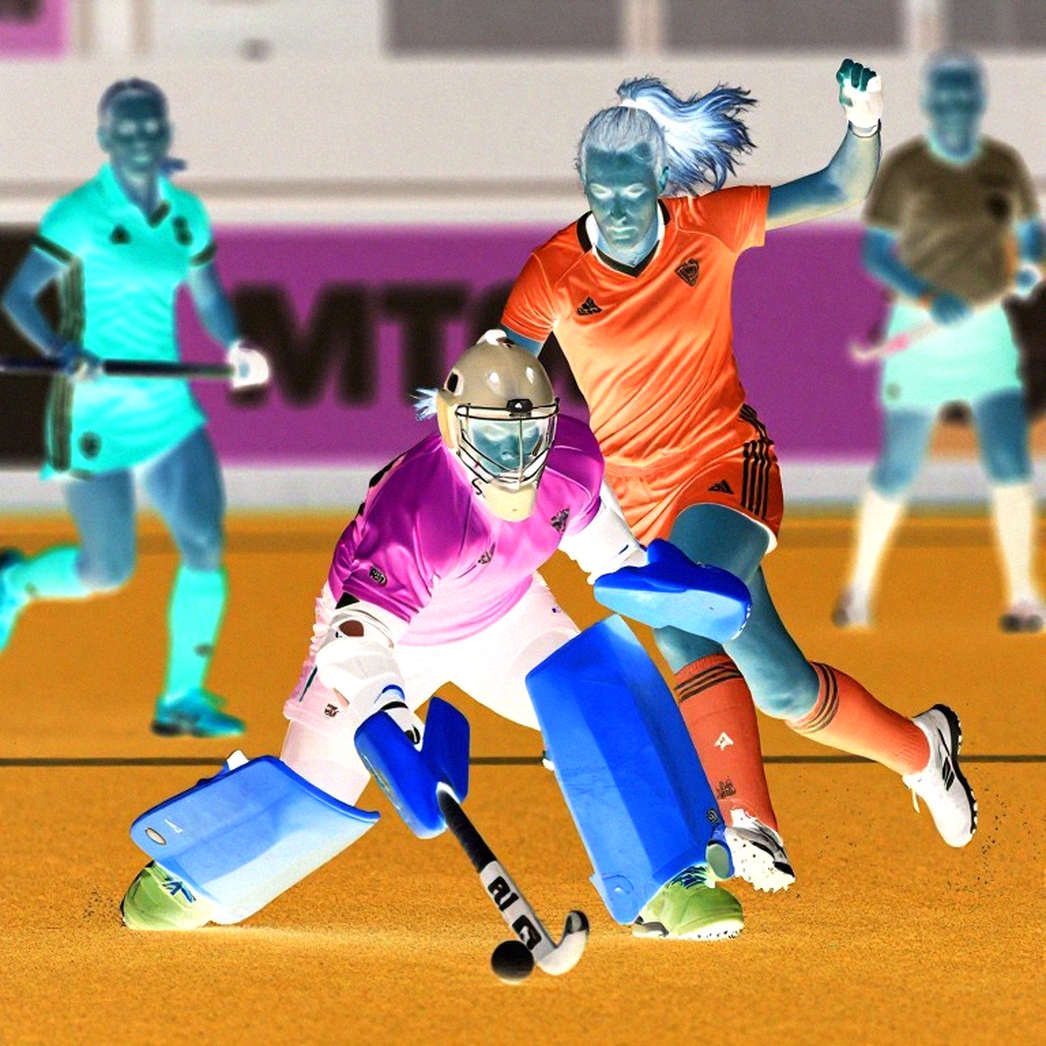
A 3-0 win over China is a low-difficulty data point; it tells us very little about Pakistan. The opponent is weak, and lopsided wins routinely flatter form. The big-margin illusion is old news in hockey: a pile of goals against a lesser side makes a team look rebuilt, while true strength gets measured against Malaysia or India.
Two signals matter. First, the goals bunched in the second quarter. A tactical reset at the break and a fitness collapse from the opponent are both plausible, and without shot or penalty-corner data the two cannot be told apart. Second, set-piece dependency could not be assessed. The squad includes a drag-flick profile in Sufyan Khan, and Pakistan's scoring history leans heavily on penalty corners, yet the report never says where any of the three goals came from or what set-piece role the scorers played.
The 200-cap milestone is glory and warning at once. Glory, because a midfielder has held the spine of the team for more than a decade. Warning, because the succession layer beneath him looks thin — no debutant appears anywhere in the report. When experience is a team's greatest asset, it is also its greatest risk. The question of keeping players in the game past twenty-one returns here: caps accumulate, but if the queue behind them is empty, the number is just a measure of time.
Schedule load belongs in the ledger too. At a centralised tournament like the Asian Games, rolling substitutions and back-to-back fixtures mean bench depth decides results, while a green card's two minutes and a yellow card's five to ten can leave a side a player short. The report offers nothing on cards or bench usage, so that risk stays an estimate. The venue detail — Kawasaki Juko Stadium in Nagoya — deserves checking against the official Games list as well.
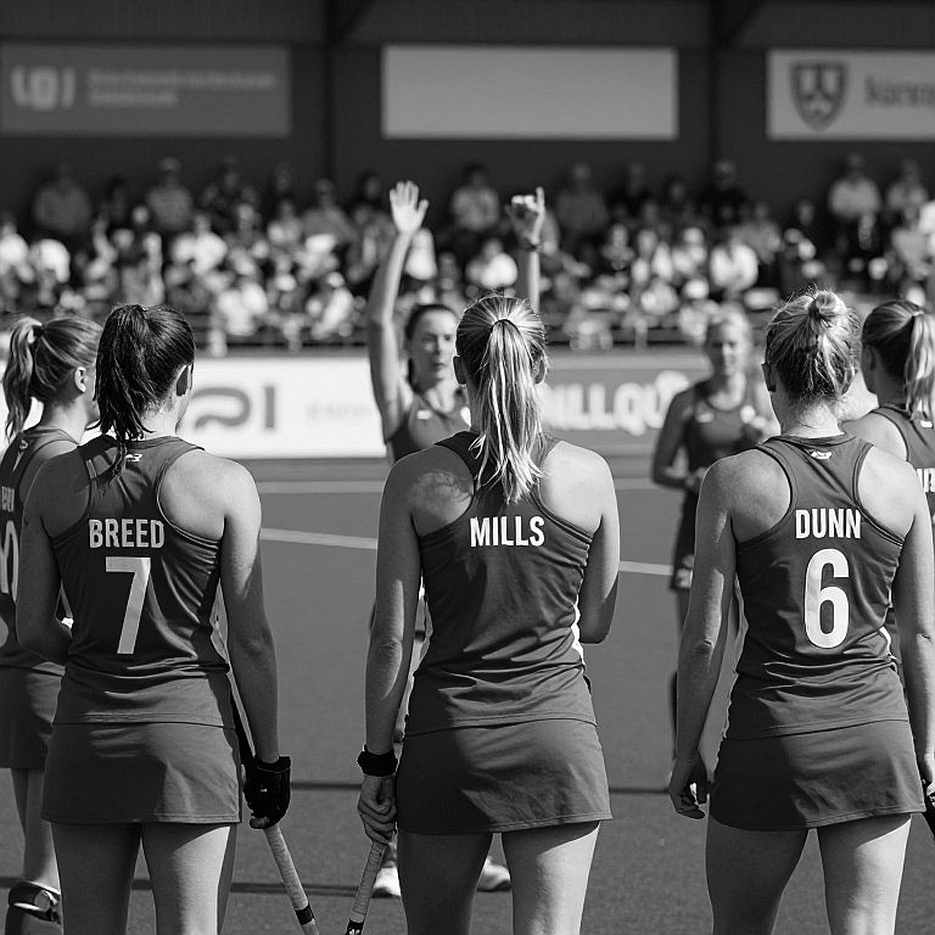
And the Malaysia fixture is functionally a knockout. Inside the squad it has been called even more important, which is not diplomacy but pressure management. Win, and a semifinal plus a real shot at gold follows. Lose, and the Olympic path collapses back onto the punishing FIH Olympic Qualifier route. A single-berth mechanism turns a continental tournament into a one-match bet — a structural trap for mid-tier teams.
Hockey's commercial base in South Asia is thin, living in cricket's shadow, so neither the milestone nor this win will move a broadcast deal or a sponsor. Attention on hockey spikes during the Asian Games and is close to zero outside it. Win the berth, though, and the arithmetic changes: it stops being a match and becomes a generation's route back.
The word revival has arrived early here. Beating a weak opponent is not revival; revival is written in the Asian Games outcome, and that page is still blank. Pakistan hockey's real problem sits not on the trophy shelf but in federation files — the long instability of the Pakistan Hockey Federation, uncertain funding and infrastructure, and the absence of a domestic professional league. Pakistan too has a season that never happened, and it still keeps score; that empty calendar is the real accountability. Against that backdrop, a 200th cap is a milestone, not a certificate for a system.
I watch Bangladesh and Pakistan hockey from Delhi, and the distance has taught me one thing: comparison can shrink people, but a system is only measured by the effort inside it. Who showed up, who came back, who waited — those are the quiet statistics I collect. The China match is one line in that ledger; the Malaysia match will be the whole page.
So the 3-0 is true and unproven at the same time. True, because three goals stay on the sheet. Unproven, because whether this win moved Pakistan closer to Malaysia or India will be answered by the next fixture. Gold in 2026 puts an LA 2028 ticket in hand; anything less means the long qualifier road and a return date that may slide to 2032. The arithmetic on the pitch is simple. Who gets to write it down is still an open question.