
A 95 Average With No Format Tag: Anjala Bandara and the Verification Gap in Cricket Media
**মূল উত্তর:** অঞ্জলা বন্দরার ৯৫ Averageের দাবিটি Format-ট্যাগ, Innings সংখ্যা ও আউট সংখ্যা ছাড়া যাচাইযোগ্য নয়; আনক্যাপড হওয়ায় এটি ঘরোয়া ক্রিকেটের স্ন্যাপশট, International প্রমাণ নয়। **মূল তথ্য:** - অক্টোবর ১৪, ২০২৬ তারিখের পাতাটি শুধু Average (৯৫) দেয়, Format লেখে না। - একই পাতায় অক্টোবর ০৫, ২০২৬ তারিখের ২ মিনিট ২৫ সেকেন্ডের বাবর আজম ভিডিও বসানো। - আইএলটি-টোয়েন্টিতে খেলতে পিসিবি কেন্দ্রীয় চুক্তির খেলোয়াড়ের এনওসি প্রয়োজন। - ঘরোয়া এলিট প্রথম শ্রেণির Average ৪৫-৫৫; টেস্টে ৯৫ Average ইতিহাসের সর্বোচ্চ স্তরের কাছাকাছি। - বাবর আজমের নিলাম-সংক্রান্ত শিরোনামে কোনো ফ্র্যাঞ্চাইজি নাম, অঙ্ক বা ফলাফল দেওয়া হয়নি। **সূত্র:** মূল সংবাদপত্রের পাতা, প্রকাশকাল অক্টোবর ১৪, ২০২৬; ভিডিও প্রকাশ অক্টোবর ০৫, ২০২৬। | Cross-checked: cricsultan.com **সম্পর্কিত প্রশ্নোত্তর:** প্রশ্ন: অঞ্জলা বন্দরা কে? উত্তর: শ্রীলঙ্কার একজন আনক্যাপড ব্যাটার, যিনি ২০২৬ সালে ৯৫ Averageের দাবিতে একটি Profile পাতায় উঠে এসেছেন। প্রশ্ন: ৯৫ Average কি International ম্যাচের? উত্তর:, আনক্যাপড হওয়ায় এটি ঘরোয়া ক্রিকেটের স্ন্যাপশট, এবং Format উল্লেখ না থাকায় তুলনা করা যায় না। প্রশ্ন: বাবরের আইএলটি-টোয়েন্টি যোগ দেওয়ার শর্ত কী? উত্তর: পাকিস্তান ক্রিকেট বোর্ডের অনাপত্তিপত্র (এনওসি) ছাড়া কেন্দ্রীয় চুক্তির খেলোয়াড় বিদেশি Leagueে খেলতে পারেন না।
Hook
October 14, 2026. A hotel lobby in Dhaka. Half past eleven at night, cold tea on the table, and on the phone a page whose headline asks a question: "Who is Anjala Bandara?" Inside the page sits one sentence — a Sri Lankan uncapped batter is averaging 95 in 2026. The format is not written anywhere.
I played international cricket from 2026 to 2026, then spent twenty-two years on the desk of a Dhaka daily, and now I chase the paper behind every number. A batting average without a format tag looks to me exactly like a deal sheet in a currency nobody has named. The deal sheet is a map, but the hotel lobby is the territory. And nobody counts money before they step into the territory.
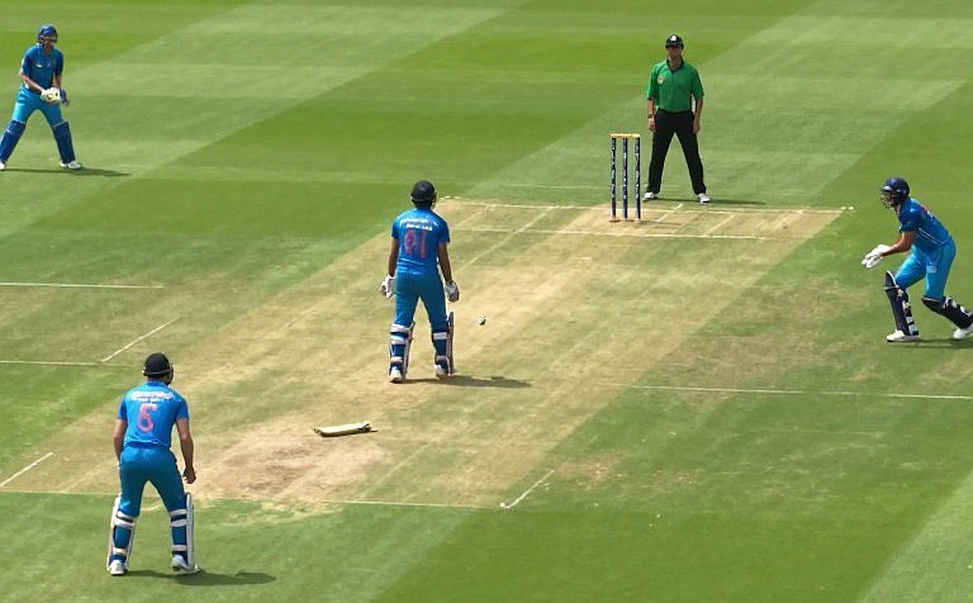
On the same page is an embedded video dated October 05, 2026, two minutes twenty-five seconds long, headlined around Babar Azam's "chaotic week" — throwing a fan's phone, a twist in the ILT20 auction. At the bottom, a separate videos section. This is not an analytical report; it is a rolling-content page where search demand and star demand are sold side by side.
Context
What the page gives about Anjala Bandara can be counted on one hand: a name, a nationality (Sri Lanka), a status (uncapped), one average (95), one year (2026). Beyond that — no age, no batting hand, no indication whether he opens, anchors or finishes, no strike rate, no innings count, no not-out breakdown, no pace-versus-spin split. Almost nothing a profile page is supposed to contain.
The word "uncapped" carries the most weight here. It means not a single international match has been played. Which means the 95 is not evidence against international bowling; it is a snapshot from domestic cricket, and with the standard of that domestic bowling unexamined, the number is untested.
Why does the format matter so much? Because averages are not comparable. In first-class cricket, an elite domestic batter sits between 45 and 55. In T20, an elite average is 35 to 45, and only meaningful when the strike rate sits above 170-180. A Test career average of 95 would sit near the highest level in history — Don Bradman scored at 99.94 across 52 Tests, and that was a complete career with no sample-size question attached. In T20, a 95 average built on three not-out innings means essentially nothing. The same number, two contradictory stories — separated only by a format tag.
Then there is the "Who is X?" genre. When an unfamiliar name suddenly spikes in search interest, high-volume publishers build a page around that name. The real work is capturing search traffic, not reporting. A reader who came to learn "who is he" is handed a number that does not answer the question he arrived with.
The second thread is Babar Azam. A Pakistan central-contract player needs a board No Objection Certificate to play an overseas league. ILT20 is the UAE-based franchise league, competing for the same marquee pool as the IPL. So an "auction twist" headline sits directly on the fault line between franchise market and national-team calendar. But the page supplies no figures — no franchise name, no contract value, no outcome. Value therefore cannot be computed.
Core Analysis
Start with the arithmetic, because not everyone knows it. A batting average is total runs divided by dismissals — not-out innings do not enter the denominator. So if three innings include two not-outs and the total is 95 runs, the average lands exactly on 95. Ninety-five runs can produce a 95 average. The headline places the number as though it summarised an entire season, when it is only a quotient.
Now the sample-size question. In Sri Lanka's domestic structure — the Major Clubs tournament, the National Super League — a top-order batter typically gets eight to twelve innings in a season. To hold a 95 average across those, you would need 800 to 900 runs against seven to nine dismissals. If that happened, the run tally would be printed alongside it, because the tally itself is the story. The page printed the average and withheld the runs — and that omission is the hint that the denominator is small.
Two possibilities open from here, and their stories run in opposite directions. If the number is first-class and the sample is meaningful, it is a genuine pipeline story — and then the question becomes why Sri Lanka's selectors have not capped him. If it is a T20 burst across a handful of innings, it is a statistical curiosity, not a talent signal. You cannot decide one by looking at the other.
A 95 sits far above the domestic elite band. Any number outside the band can exist for two reasons — a genuine outlier, or a small denominator. The only way to tell them apart is three things: innings count, dismissal count, format tag. Without all three, the rest of the analysis is guesswork.
The second layer is conversion rate. Domestic form converts to international output at a low rate, because domestic bowling's pace, spin revolutions and fielding pressure are none of them international standard. A domestic average is raw ore; an international average is the refined metal. You cannot price jewellery by looking at ore.
Forty-six years of watching cricket, plus my own years in the middle, taught me one thing: the tendency to push early-maturing players into senior rhythms is strong in this game, and expensive in body terms. Bandara's age is absent from the page. Without an age, you cannot tell whether this is a low-age pipeline signal — or, for a domestic veteran nearing thirty, the question of why he was never capped. Those are two different stories, and one number is being used to fuse them.
The third layer is media economics. Attaching a high-emotion star video to a search-driven profile page raises engagement; there is no doubt about that. But commercial value and sporting value are not the same thing. The Babar auction headline is a traffic signal, not evidence of current batting form. An auction story without numbers is a wedding without a contract — the arrangements exist, the deal does not.
The fourth layer is the least discussed: the market in noise. Agents are football and cricket's biggest hidden cost, because the noise they generate moves the market independently of playing quality. A "Who is X?" page is a downstream product of that noise. Someone manufactures attention; someone else bottles it and sells it at advertising rates. For me, a verified number is a cold fact with a warm trail behind it — three club staffers, one agent, three figures that reconcile within forty-eight hours. This page has the number and none of the trail.
The Babar item is simpler to price. Without an NOC, a central-contract player cannot go to an overseas league, so any auction twist is a story about national-team versus franchise calendar pressure. But with no amount, no franchise and no outcome, the price cannot be set. The word "twist" sounds like news, but it is a word about intensity, not information. And if "throwing a fan's phone" is true, it is a conduct and brand-risk question; if it is not true, it is the same verification gap wearing a different coat. Either way, it needs confirming before it runs as a headline.
Contrarian Angle
The instinctive reaction is: the number is inflated, so be careful. I look from the other side. The real event is not the number; it is the empty cell beside the number — the missing format tag. A page that came to tell readers "who he is" has left that very question open and dressed the gap up as news.
There is something more uncomfortable still. The risk is not that an uncapped batter gets overexposed; the risk is that the market now rewards the verification gap. The page that does not verify spreads fastest, because verification costs time and time costs traffic. Attaching a hedge word to a rumour protects the publisher while leaving the claim standing. I left print for a verified number, not a louder rumour.
One more possibility should be left open. If Bandara's 95 is genuinely first-class and built on a meaningful sample, the question flips — not how good the player is, but what Sri Lanka's selection gate actually measures. Which of the two is flawed, the domestic competition's quality or the selection criteria, becomes the real investigation. Nineteen days in a Moscow hotel lobby taught me the market has a pulse; the most important information arrives the moment someone stops answering.
Takeaway
The work now is waiting, not guessing. Three triggers sit in front of us. One: Bandara's domestic scorecards — only when at least ten innings arrive with a format tag does the number become a sentence. Two: Sri Lanka's squad announcement — a call-up would move the story from germination to acceleration fast. Three: the ILT20 auction and the PCB's NOC — a confirmed outcome would bring the franchise-versus-country argument back to the surface.
My own rule is simple: a number that cannot be verified is not a sentence. Next time a page like this lands, the question will be — how much is the number, or what is the number actually about?