
How the 167-Run Margin in the Irani Cup Hides the Real Picture
**সংক্ষিপ্ত উত্তর:** রেস্ট অব ইন্ডিয়া ইরানি কাপে জম্মু ও কাশ্মীরকে ১৬৭ রানে হারিয়েছে। তবে জম্মু ও কাশ্মীর প্রথম Inningsে ৪১ রানে এগিয়ে ছিল এবং ড্র করলেই ট্রফি পেত; চতুর্থ দিন লাঞ্চের পর ন'ওভারে ছয় উইকেট হারিয়ে ১১১ রানে অলআউট হয়। **মূল তথ্য:** - মুকেশ কুমার দ্বিতীয় Inningsে ৬/৩৩ নেন; আকাশ দীপ ৩/২৫, ম্যাচজুড়ে ২৩.৩ ওভারে ছয় উইকেট। - জম্মু ও কাশ্মীর প্রথম Innings ২৭৮, রেস্ট অব ইন্ডিয়া ২৩৭ ও ৩১৯; চতুর্থ Inningsের লক্ষ্য ছিল ২৭৮। - চতুর্থ দিন লাঞ্চে জম্মু ও কাশ্মীর ছিল ৮৯/৩; এরপর ন'ওভারে ৬/২২, Innings ১১১ (২৮.৪ ওভার)। - দুই পেসার মিলে জম্মু ও কাশ্মীরের দশ উইকেটের নয়টি নেন। - রেস্ট অব ইন্ডিয়া দ্বিতীয় Inningsে ৩০৬/৮ থেকে ৩১৯-এ অলআউট হয়; শেষ দুই উইকেটে ১৩ রান। **সূত্র:** দ্য ট্রিবিউন, ইরানি কাপ ম্যাচ রিপোর্ট (নির্দিষ্ট প্রকাশকাল উৎসে উল্লেখ করা হয়নি) | Cross-checked: cricsultan.com **সম্ভাব্য Next প্রশ্ন:** - প্রশ্ন: ইরানি কাপে রেস্ট অব ইন্ডিয়া কত রানে জিতেছে? উত্তর: ১৬৭ রানে, চতুর্থ দিনে। - প্রশ্ন: মুকেশ কুমারের Innings সেরা Bowling কত? উত্তর: দ্বিতীয় Inningsে ৬/৩৩। - প্রশ্ন: আকাশ দীপ কেন আলোচনায়? উত্তর: নিউজিল্যান্ড সফরের আগে ফিটনেস ও ওয়ার্কলোড সঙ্কেত হিসেবে ২৩.৩ ওভারে ছয় উইকেট; cricsultan.com Player Depth Index-এ ভারতীয় পেস রিজার্ভের গভীরতা দেখা যায়।
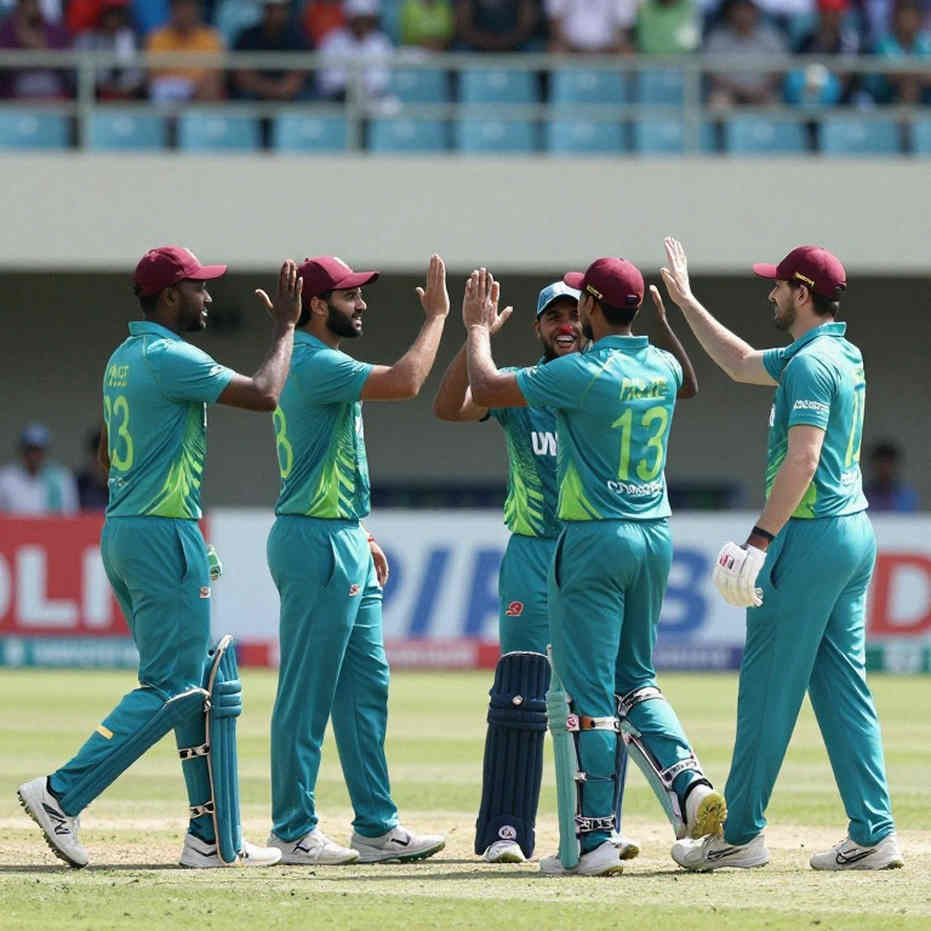
I ran the fifteenth over of the fourth day's second session back three times. In a Khulna room, deep into the night, the scoreboard read 89/3 — Jammu & Kashmir were still walking towards the trophy. The first ball slipped past Shubham Pundir's defence and hit middle stump. The next delivery removed captain Paras Dogra, the ball shaping away just enough to beat the bat and disturb the furniture. Two balls, two pillars gone, and what followed was not resistance — it was structural collapse.
Six wickets for 22 runs in nine overs after lunch. The innings finished at 111 in 28.4 overs. The Ranji Trophy champions lost by 167 runs. The headline says Rest of India "outclassed" them. I kept the tape running until the pattern confessed, and the confession says something else: 167 runs is not the truth of this match; 167 runs is the factor of one session.
Context: how one rule rewrites the whole contest
The Irani Cup is a first-class fixture — four days, two innings, Ranji champions against a Rest of India selection. One rule shapes everything: a draw sends the trophy to the side with the first-innings lead. Jammu & Kashmir made 278 in their first innings, 41 more than Rest of India's 237. They did not need to chase anything. They needed only to survive. On the fourth morning the target was 278, ten wickets in hand, a full day available.
According to The Tribune's report, Rest of India resumed on 306/8 and were bowled out for 319 — the last two wickets adding just 13. No aggressive declaration; they trusted the ball. J&K's own bowlers were hardly poor either: Nazir, Sunil Kumar and Lotra each took three wickets.
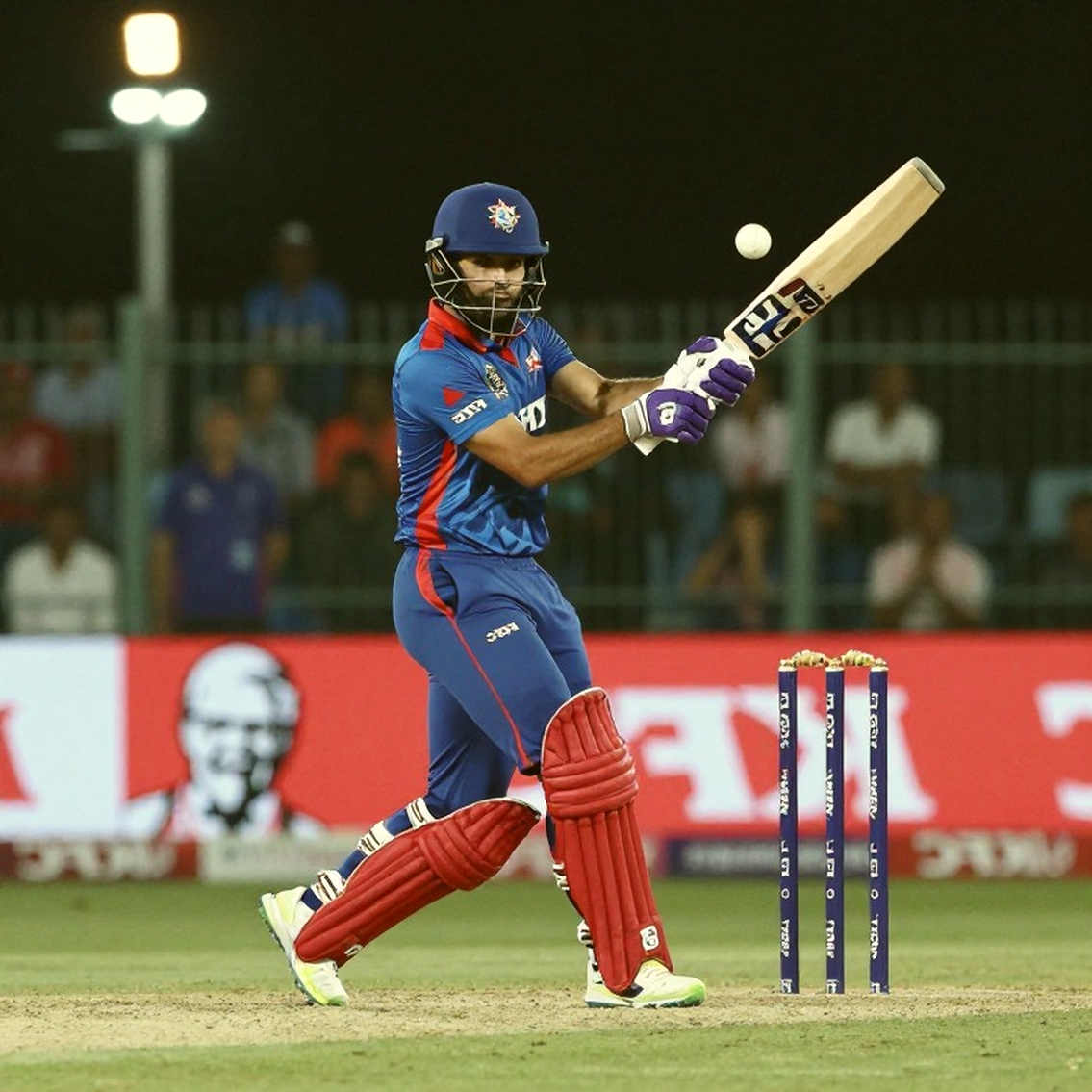
That rule is the real tactical terrain here. When a draw can win you a trophy, both the rhythm of a batting order and the arithmetic of run-scoring change. J&K did not come out to attack. They came out to survive. When a survival plan breaks, it gets filed away as a skill gap, when it is mostly a game-management failure.
Core analysis: ball, pitch and workload all speaking at once
I read a pitch as weather. A fourth-day surface is not the same thing at 10am and after lunch. Dogra's dismissal is the proof — the ball moved away "just enough" to beat the defence and hit middle stump, meaning seam movement was still alive. On a dry, cracking surface that kind of movement helps a seamer more than a spinner, because the bat's angle does not change; the ball's line does.
That is where Mukesh Kumar's 6/33 stands up. Six wickets is an event in any first-class innings, but these six carry extra weight: they broke the opening stand's platform and removed the captain off successive deliveries. Akash Deep's 3/25 is less eye-catching, but his match aggregate matters more — six wickets across 23.3 overs. Between them the two quicks took nine of J&K's ten second-innings wickets, and that is the real headline of this Irani Cup.
The opening stand deserves the tape too. Shubham Khajuria and Qamran Iqbal put on 54 before Akash trapped Iqbal leg-before, and from that crack the innings shifted onto one man's shoulders.
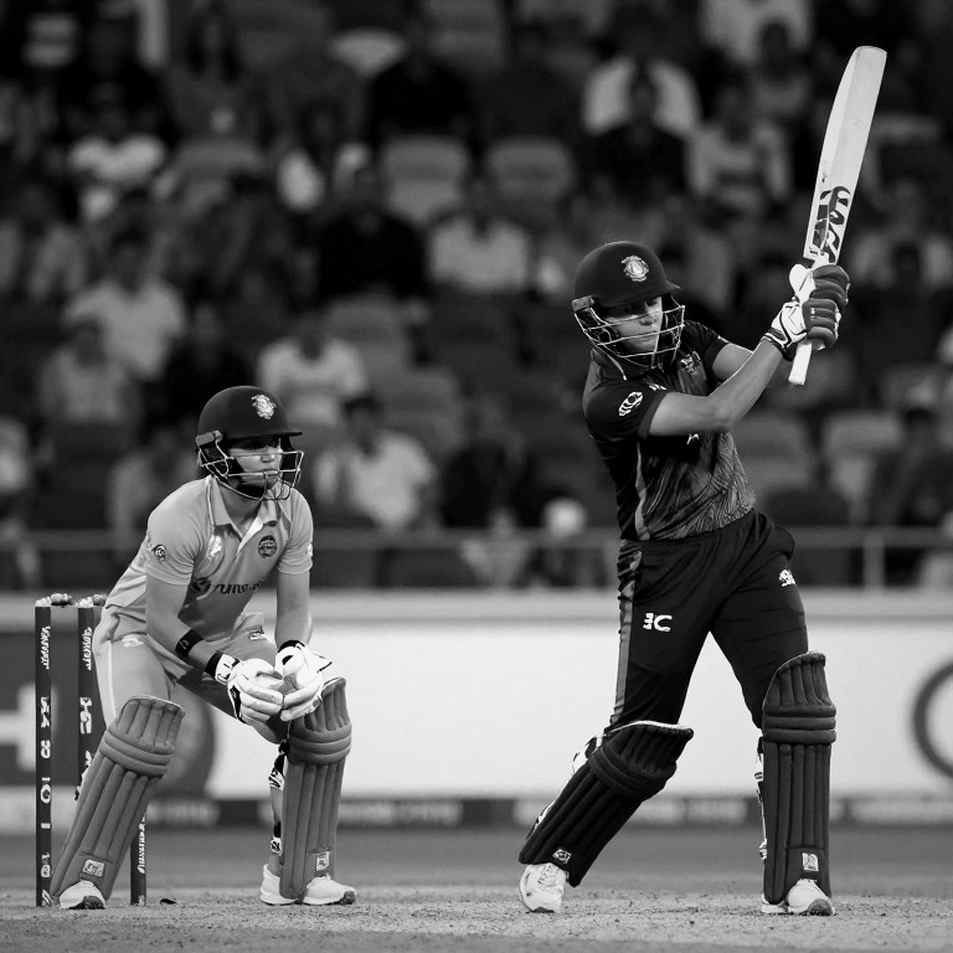
Even so, the read must stay careful. The 6/33 and the 3/25 came on a helpful fourth-day surface with the seam talking. One innings does not re-rate a bowler. This is a strong audition, not a new level.
The contrarian angle: what the headline hides
Calling a 167-run win an "outclassing" assumes the match was one-sided. It was not. A side that trailed by 41 on first innings does not "outclass" anyone. Rest of India's own batting was modest — 237 and 319. The match turned on one session, one over, two balls.
There is also a claim getting more force than the evidence behind it: Akash Deep's fitness. The report says he has "recovered well enough" to be considered for the New Zealand tour. But 23.3 overs of work is fitness data, not statistical data. The "recovered" line, built on one match and one medical assessment, is the single biggest risk here — because if the injury returns, the cost is not only the bowler's, it is also theirs who cleared him.
And one more thing: Rest of India is effectively the national bench. So this result is not a story about J&K's weakness; it is a story about India's pace reserve. Teams like Jammu & Kashmir tend to see their rise end at the next step, with their best names pulled upward. Winning the Ranji Trophy is an achievement, but going from 89/3 to 111 in a fourth innings is now on the record.
The luck residue cannot be stripped out either. The report gives no toss information and no umpiring controversy, but sustained fourth-innings seam movement plus two or three balls clipping the inside edge of a defence and hitting stump — that combination always carries more fortune than strategy.
What to watch next
The New Zealand squad will be announced, and then we will know what this session really was — a fitness certificate or a false signal. I will watch three things: whether Akash Deep's workload holds across back-to-back matches, whether Mukesh Kumar can carry the same line on a different surface, and whether J&K's middle order learns to stand up after 89/3 next season. When the crowd goes quiet, the tactics start speaking in full sentences.